QR Code-based Library System
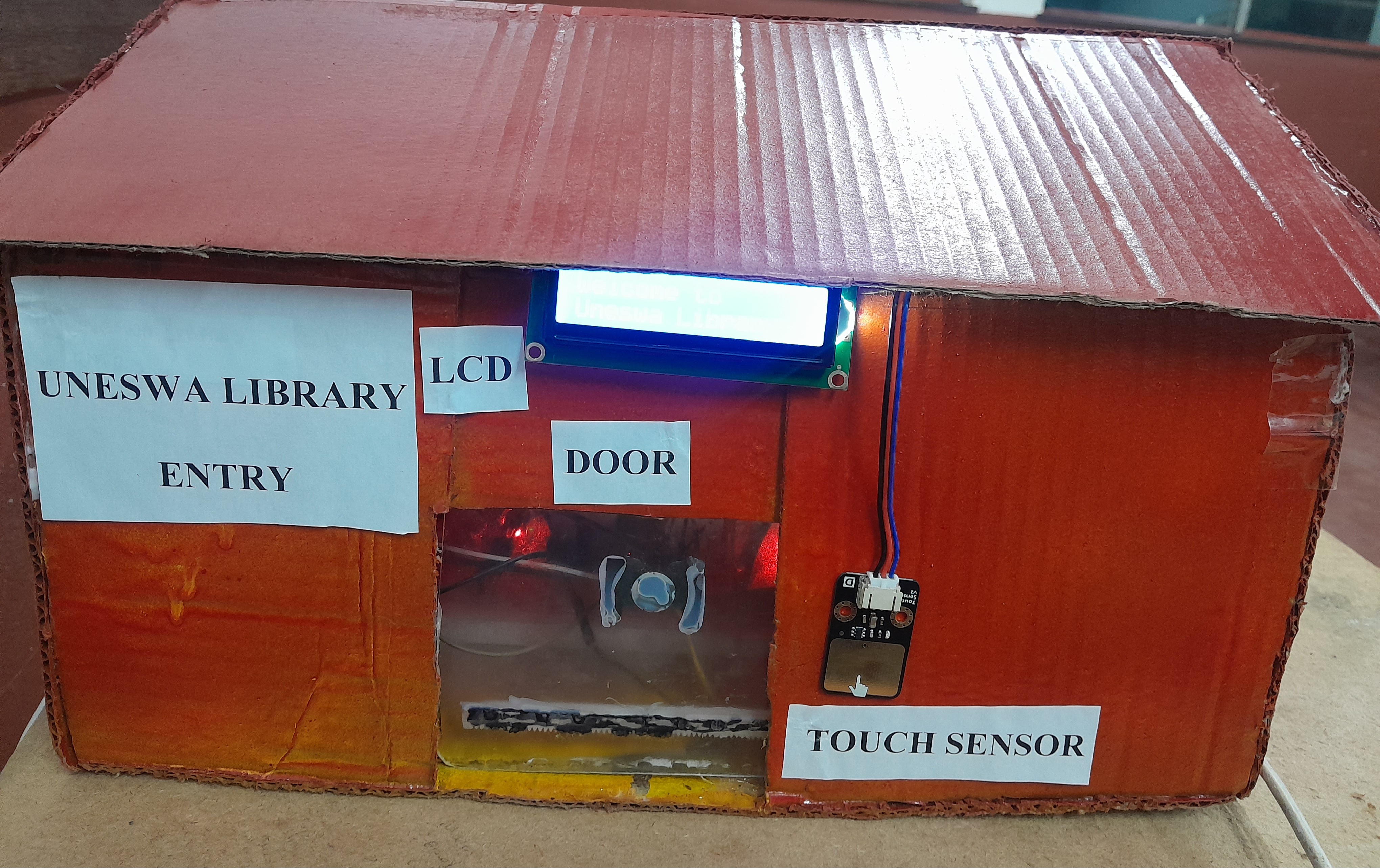
Access Control Prototype
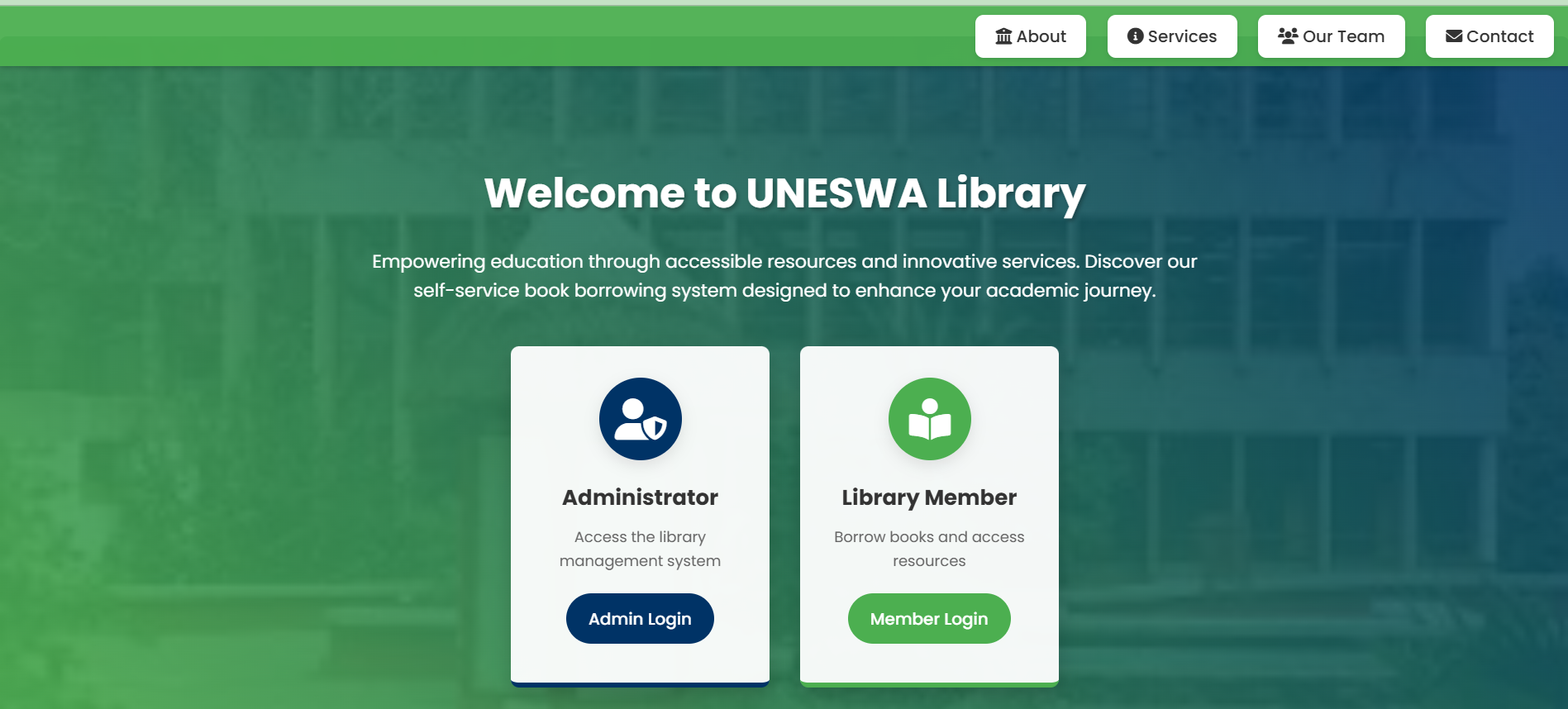
Self-Service Dashboard
Project Overview
This project, developed for the University of Eswatini (UNESWA) Library, introduces a QR code-based system to modernize access control and self-service book borrowing. It addresses operational challenges such as unauthorized access, manual borrowing processes, and inefficiencies in tracking library resources. The system integrates hardware and software to enhance security, accessibility, and user experience while aligning with UNESWA Library Regulations.
The solution comprises two main components: a Library Access Control System using ESP32-CAM for QR code scanning and automated door control, and a Self-Service Book Borrowing System that enables users to independently borrow and return books via a web application. The system ensures compliance with membership policies, reduces staff workload, and improves inclusivity with features like capacitive touch sensors for disabled users.
View Source CodeAccess Control
Secures library entry with encrypted QR code authentication, logging all access attempts in real-time to enforce membership policies.
Self-Service Borrowing
Enables users to borrow and return books independently via QR code scanning, with automated email notifications for receipts and overdue reminders.
Inclusivity Features
Incorporates capacitive touch sensors and remote door control to ensure accessibility for users with physical disabilities.
Administrative Dashboard
Provides librarians with a web-based interface for member registration, access log monitoring, book management, and blacklist tracking.
Security Measures
Implements AES-256 encryption, HMAC-SHA256 signatures, and HTTPS to protect user data and prevent unauthorized access.
Performance Optimization
Achieves QR code processing latency under 2 seconds and transaction completion within 5 seconds, handling over 307,225 book volumes.